
How Nutrition Shapes Your Glow
Your skin is more than just a barrier; it’s a reflection of your internal health. While skincare products play a role, true skin health starts from within. Nutritional science shows that what you eat can profoundly affect your skin’s appearance, resilience, and ageing process.
Let’s explore the key nutrients and dietary strategies that support healthy, radiant skin, backed by research.
Why Nutrition Matters for Skin Health
The skin is the body’s largest organ and requires a constant supply of nutrients to maintain its structure, hydration, and defence mechanisms. From collagen production and elasticity to protection against oxidative stress and inflammation, diet plays a crucial role in skin integrity across all life stages.

1. Antioxidants: Your Skin’s Natural Defence
Key nutrients: Vitamin C, Vitamin E, Selenium, Polyphenols
Antioxidants protect the skin from free radicals, which are unstable molecules generated by UV exposure, pollution, and metabolic processes. These free radicals can accelerate skin ageing and damage collagen and elastin fibres.
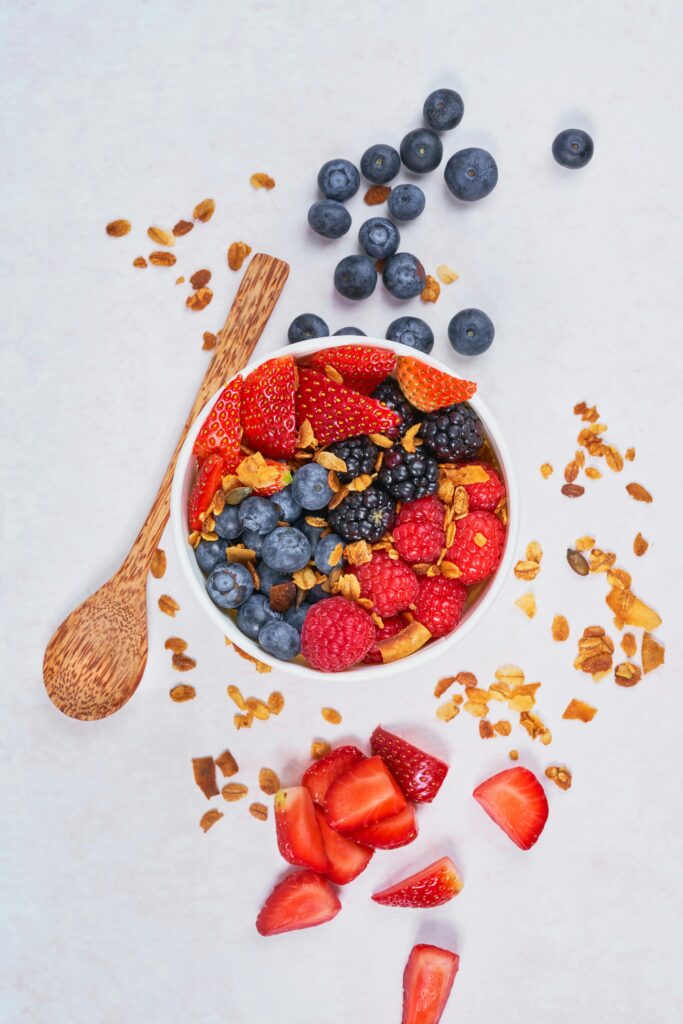
- Vitamin C (found in berries, citrus fruits, and bell peppers) is vital for collagen synthesis and photoprotection.
- Vitamin E (found in almonds, sunflower seeds, and spinach) protects cell membranes from oxidative stress.
- Selenium (found in Brazil nuts, eggs, and mushrooms) supports antioxidant enzymes such as glutathione peroxidase.
- Polyphenols (found in green tea, dark chocolate, and grapes) reduce UV-induced inflammation and may improve skin elasticity.
2. Healthy Fats: Nourish and Protect
Key nutrients: Omega-3 and Omega-6 fatty acids
Essential fatty acids support the skin’s lipid barrier, which keeps moisture in and irritants out. Omega-3s, in particular, have anti-inflammatory properties that may help conditions like eczema and psoriasis.
- Omega-3s (from oily fish, flaxseeds, and walnuts) reduce skin inflammation and help maintain skin moisture.
- Omega-6s (found in nuts, seeds, and vegetable oils) are also essential, but they need to be balanced with Omega-3s.
Note: when omega-6 intake is very high and omega-3 intake is low, it may tip the body towards a pro-inflammatory state, which has been linked in some research to chronic disease and possibly inflammatory skin conditions (e.g. acne, eczema, psoriasis).
3. Collagen and Protein: Building the Framework
Key nutrients: Collagen peptides, glycine, proline, vitamin C, zinc, copper
Collagen gives skin its firmness and elasticity. After the age of 25, collagen production naturally declines, contributing to sagging and wrinkles.
- Collagen-rich foods (bone broth, chicken skin) and collagen peptides (available as supplements) may improve skin elasticity and hydration.
- Amino acids such as glycine and proline, supported by vitamin C, are essential for the endogenous (your body naturally produces it on its own) formation of collagen.
Plant-based collagen support comes from foods that provide the building blocks and cofactors needed for making collagen.
- Vitamin C (kiwi, bell peppers, berries) — essential for collagen cross-linking
- Silica (found in cucumber skin, oats) — supports connective tissue
- Zinc and copper (pumpkin seeds, cashews, legumes) — vital cofactors in collagen formation
- Plant proteins (tofu, lentils, quinoa, hemp seeds) — provide amino acids like glycine and proline
4. Hydration and Skin Barrier Function
Key nutrients: Water, Hyaluronic acid, Electrolytes
Skin cells need adequate hydration to function optimally. Dehydration can lead to dull, flaky skin and make wrinkles more prominent.
- Water helps maintain skin turgor (plumpness).
- Hyaluronic acid (naturally produced in the body and found in bone broth) attracts and retains water.
- Potassium and sodium (found in leafy greens, bananas, and sea salt) help regulate fluid balance.
5. Gut-Skin Axis: A Clearer Path
Key nutrients: Zinc, Probiotics, Prebiotics & Fibre, Polyphenols, Vitamin C, Vitamin D, Vitamin A (incl. beta-carotene), Omega-3 Fatty Acids (EPA/DHA)
Emerging research links gut health and skin health. The gut microbiome influences systemic inflammation, hormone regulation, and nutrient absorption—all of which impact skin clarity and function.
- A diet high in fibre (vegetables, whole grains, legumes) supports gut microbial diversity.
- Fermented foods (Probiotics) such as yoghurt, kefir, sauerkraut and
- Prebiotics (garlic, onions, leeks) nourish beneficial gut bacteria.
- A diet rich in Vitamin A sources such as sweet potatoes, carrots, spinach, and liver.
6. Sugar and Skin: The Glycation Factor
Excessive sugar intake contributes to glycation, a process where sugar molecules bind to collagen and elastin fibres, making them stiff and prone to damage.
Tip: Swap refined carbohydrates for low-GI foods like oats, lentils, quinoa, and berries to stabilise blood sugar and preserve collagen integrity.
Final Thoughts:
Beautiful skin isn’t just about what you apply topically; it’s a mirror of your internal nutrition and lifestyle. Whether you’re navigating hormonal changes, managing stress, or seeking to age well, nurturing your skin from within with the right nutrients can transform not only how you look but also how you feel.
If you’d like personalised guidance on how to optimise your nutrition for skin health, get in touch for a consultation.
Let’s nourish your glow from the inside out.