
Perimenopause is the phase leading up to menopause when hormones, particularly oestrogen and progesterone, begin to fluctuate. For many women, this transition can last several years and bring with it a wide range of symptoms, from irregular periods and hot flushes to mood changes, poor sleep, increased abdominal fat, and digestive disruption.
What is fibre?
Fibre is a type of carbohydrate found in plant foods that the body cannot fully digest. Unlike other carbohydrates, it passes through the digestive system largely intact, where it carries out several important functions that influence far more than bowel regularity.
There are two main types of fibre:
Soluble fibre dissolves in water and forms a gel-like substance in the gut. It helps to support balanced blood sugar, lower cholesterol, and feed beneficial gut bacteria.
Insoluble fibre adds bulk to the stool and supports healthy, regular bowel movements.
Most plant foods contain a mixture of both, which is why variety is so important.
Why fibre is so important during perimenopause
During perimenopause, hormonal fluctuations can influence metabolism, body composition, blood sugar balance, and inflammation. This is why fibre becomes particularly valuable during midlife, as it may help support several of the changes women commonly experience during this stage.
- Estrogen Regulation
During perimenopause, supporting healthy oestrogen metabolism becomes increasingly important. Oestrogen is processed by the liver and removed through the digestive tract, but when digestion is sluggish, some of it can be reabsorbed back into the body. Eating enough fibre helps support regular bowel movements and a healthier gut environment, both of which can support the body’s natural oestrogen clearance.
Blood Sugar and Insulin Control
During perimenopause, hormonal changes can make blood sugar less stable. Soluble fibre helps slow the absorption of sugar into the bloodstream, which may support steadier energy, fewer cravings, and better mood balance.
Weight Management
During perimenopause, many women notice an increase in abdominal weight gain. Fibre can help by keeping you fuller for longer, supporting appetite control, and nourishing the gut, all of which can play a role in healthier weight management.
Cholesterol and Heart Health
As women approach menopause, heart health becomes even more important. Soluble fibre can help lower “bad” cholesterol and support long-term cardiovascular health, making it a valuable part of a midlife diet.
Gut and Inflammation Support
Fibre helps nourish the beneficial bacteria in the gut, which in turn produce compounds that support gut health and may help calm inflammation. This is especially important during perimenopause, when hormonal changes can contribute to increased inflammation.
How much fibre do women need during perimenopause?
During perimenopause, most women should aim for around 25 to 30 grams of fibre per day, although many are still eating far less than this. This matters because hormonal fluctuations during midlife can affect digestion, blood sugar regulation, appetite, cholesterol, and weight distribution.
Increasing fibre intake can help support more stable energy, better bowel regularity, improved satiety, and a healthier metabolic response at a time when many women begin to notice unwanted shifts in how their body feels and functions.
The key is to increase fibre gradually rather than all at once, especially if your current intake is low. A sudden jump can lead to bloating, wind, or digestive discomfort. Drinking enough water is also essential, as fibre works best when the body is properly hydrated.

How to get more fibre from food during perimenopause
The most effective way to increase fibre is through whole plant foods that also provide vitamins, minerals, antioxidants, and beneficial plant compounds. This is especially important during perimenopause, when nutritional quality matters just as much as quantity.
High-fibre foods to include regularly are:
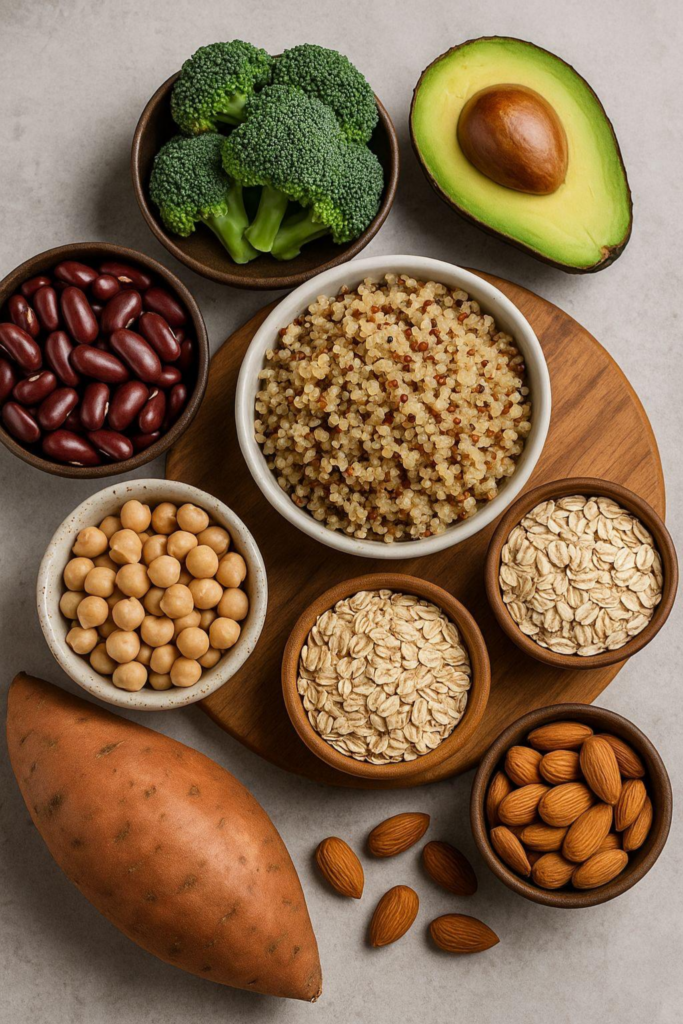
- Legumes such as lentils, chickpeas, and black beans
- Whole grains such as oats, quinoa, brown rice, and whole wheat
- Fruits such as berries, pears, and apples with the skin on
- Vegetables such as broccoli, carrots, and Brussels sprouts
- Seeds such as chia seeds and flaxseeds
- Nuts such as almonds and walnuts
These foods do more than support digestion. They can also help with blood sugar balance, satiety, cholesterol management, and gut health, all of which become increasingly relevant during the perimenopausal years.
Simple ways to increase fibre intake include adding chia or ground flaxseed to yoghurt or porridge, choosing whole grains over refined carbohydrates, including beans or lentils in meals several times a week, and making vegetables a more substantial part of lunch and dinner.
Final Thoughts
When it comes to perimenopause, fibre deserves far more attention than it often gets. It supports far more than digestion alone, influencing blood sugar balance, appetite regulation, gut health, cholesterol, and the body’s natural hormone clearance pathways.
For women navigating the physical and metabolic changes of midlife, increasing fibre intake is one of the most practical and effective strategies available. It is not about chasing perfection. It is about creating a nutritional foundation that helps the body feel more stable, supported, and resilient during a time of significant change.
By Lala Maharramova MSc Clinical Nutrition, AfN Registered Associate Nutritionist